

What is Freelancing? Freelancing is no longer just a side hustle or a backup option. In 2026, it became a serious and sustainable career choice for millions of people worldwide. Students, fresh graduates, and experienced professionals are increasingly opting for freelancing due to its flexibility, independence, and greater control over their income.
The challenge is that freelancing is often discussed in vague terms. Many people hear about success stories, but few resources clearly explain what freelancing actually is, how it works in real life, and whether beginners can realistically succeed.
This guide is written to answer those exact questions. By the end, you will clearly understand the meaning of freelancing, how it works, its benefits and challenges, and how you can start freelancing step by step in 2026.
What Is Freelancing? (Simple Definition)
Freelancing means working independently and offering your skills or services to clients on a project basis instead of working full-time for a single employer. A freelancer is self-employed and has the freedom to choose clients, projects, and pricing.
Instead of being tied to one company, freelancers work with multiple clients at the same time. Freelance work can be done both online and offline, but most modern freelancing happens online through digital platforms.
In comparison to traditional jobs, freelancing is different in a few key ways:
- There is no fixed monthly salary
- Work is project-based
- Income depends on skill level, demand, and consistency
Simply put, freelancing is about selling your skills rather than your time.
How Does Freelancing Work?
Many beginners assume freelancing is complicated, but the process is straightforward once you understand the flow.
Freelancing usually works like this. You first choose a skill, offer it as a service, and then connect with clients who need that service. After completing the work, you receive payment based on the agreed terms.
Most freelancers find clients through:
- Freelancing platforms
- Social media networks
- Personal websites or portfolios
- Referrals from previous clients
Some projects are one-time tasks, while others turn into long-term or recurring work. As experience grows, freelancers often move from small projects to higher-paying, long-term clients.
Types of Freelancing Jobs You Can Do
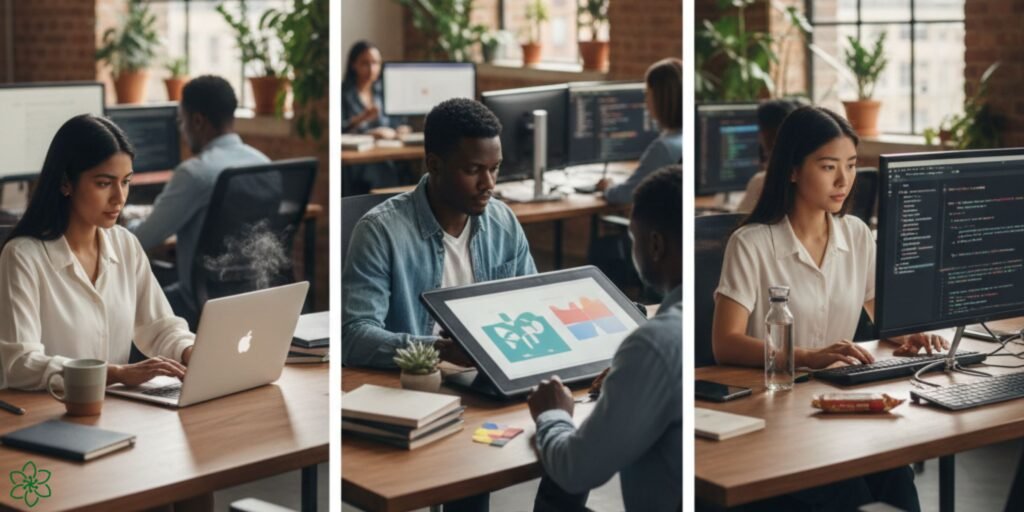
One of the biggest advantages of freelancing is the variety of work available. Almost any skill that helps a business grow can be offered as a freelance service.
Common freelancing jobs include writing, graphic design, web development, digital marketing, virtual assistance, SEO services, and social media management. In 2026, skill-based freelancing continues to grow, especially in online and remote industries. If you can solve a problem for a business, you can freelance even without a formal degree.
Pros and Cons of Freelancing
Freelancing offers freedom, but it also comes with responsibility. Understanding both sides helps you decide whether this career path suits you. Freelancing provides benefits such as flexible working hours, location independence, and unlimited earning potential. Many freelancers also enjoy working with international clients and having full control over their workload.
However, freelancing also has challenges:
- Income may be unstable in the beginning
- There are no employee benefits
- Self-discipline is essential
Freelancing is ideal for people who value independence and growth, but it requires patience and consistency.
How to Start Freelancing as a Beginner
Starting freelancing does not require perfection. It requires clarity and action.
Begin by choosing one skill that you already know or are willing to learn. Focus on improving that skill instead of trying to master everything at once. Once you have basic knowledge, create simple samples that show what you can do. These samples form your initial portfolio.
Next, join beginner-friendly freelancing platforms and create a clear profile that explains your service and how it helps clients. Finally, start applying for projects. Rejections are part of the process, especially in the beginning. Each application helps you learn and improve.
How Much Can Freelancers Earn in 2026?

Freelancing income depends on several factors, including skill level, experience, niche, and client quality. Beginners may earn less at first, but income usually increases as skills improve and confidence grows.
With consistency:
- Beginners can earn a basic monthly income
- Experienced freelancers often earn more than traditional employees
- Some freelancers work fewer hours while earning a full-time income
Freelancing is not a quick-money scheme, but it can become a stable and well-paying career over time.
Common Freelancing Myths Beginners Should Ignore
Many people hesitate to start freelancing because of myths. Some believe freelancing is only for experts or that it requires years of experience. Others think freelancing is unstable or limited to technical fields.
The truth is simple. Freelancing is skill-based, not degree-based. Beginners succeed every day by learning, practicing, and staying consistent.
Is Freelancing Right for You?

Freelancing may be a good fit if you enjoy learning new skills, managing your own time, and working independently. It suits people who are comfortable with uncertainty and willing to grow through experience.
If you prefer fixed routines and guaranteed salaries, freelancing may feel challenging at first. However, many people adapt and grow into it over time.
Conclusion:
Freelancing is a modern way of working where you use your skills to earn independently, without being tied to one employer. In 2026, freelancing offers real opportunities for beginners, students, and professionals.
If you are willing to learn, stay patient, and take consistent action, freelancing can become a long-term and rewarding career.
Call to Action:
Choose one skill today and start exploring beginner-friendly freelancing platforms. Progress starts with action, not perfection.
FAQs
What exactly does a freelancer do?
A freelancer works independently to provide services like writing, design, or marketing for multiple clients on a project or hourly basis. They manage tasks, deadlines, and payments without being tied to one employer.
How can I start freelancing?
Start by choosing one skill, create basic samples, join freelancing platforms, and begin to apply for projects to gain experience and clients.
Which skill is best for freelancing?
The best skill depends on your interest and market demand, with high-demand options like content writing, graphic design, web development, or digital marketing.
What is an example of a freelancer?
A content writer creating blog posts for multiple clients or a graphic designer designing logos independently are typical examples of freelancers.